
Juvenile Arthritis Awareness Month: How Physical Therapy Helps Children Stay Active and Strong
August 20, 2026
Every child deserves the opportunity to play, explore, and participate in the activities they love. For children living with juvenile arthritis, however, joint pain, stiffness, and fatigue can sometimes make everyday movements more challenging.
July is Juvenile Arthritis Awareness Month, a time dedicated to raising awareness about juvenile arthritis (JA) and highlighting the importance of early support, treatment, and movement-based care. While juvenile arthritis can affect a child's joints and mobility, physical therapy can play an important role in helping children maintain strength, flexibility, and confidence.
What Is Juvenile Arthritis?
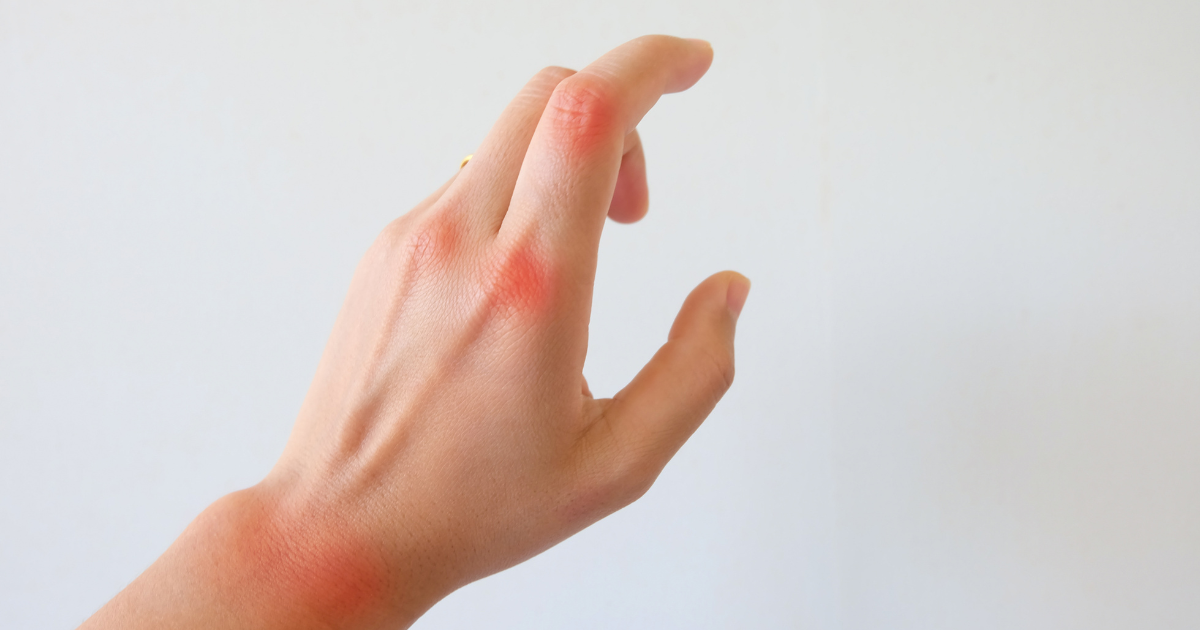
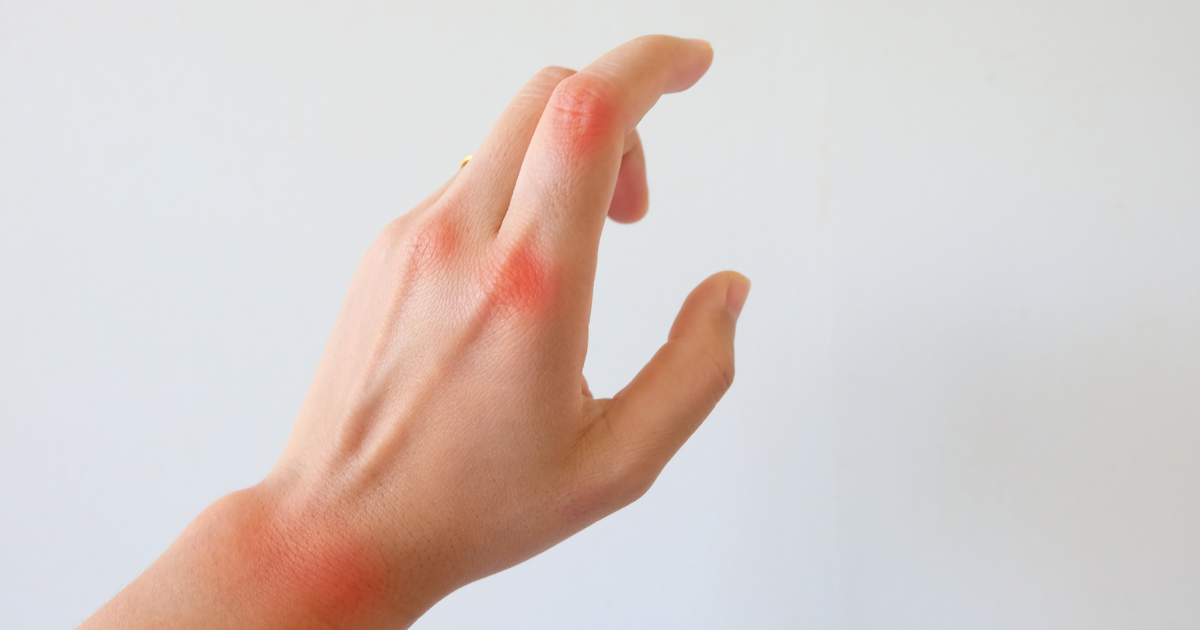
Juvenile arthritis is an autoimmune condition that causes inflammation in the joints of children and adolescents. Unlike typical aches and pains from growing or playing, juvenile arthritis can cause ongoing symptoms that interfere with daily activities.
Common signs of juvenile arthritis may include:
- Joint pain or swelling
- Morning stiffness or difficulty getting moving after rest
- Reduced range of motion
- Difficulty participating in sports or physical activities
- Changes in walking, running, or movement patterns
- Fatigue
Because children may not always be able to explain what they are feeling, parents and caregivers should pay attention to changes in movement, activity levels, or behavior.
How Physical Therapy Can Help Children With Juvenile Arthritis
Physical therapy is an important part of a comprehensive treatment plan for many children with juvenile arthritis. A physical therapist works with each child to create a personalized program based on their needs, goals, and abilities.
Physical therapy can help children:
Improve Strength and Stability
Joint inflammation can sometimes cause children to avoid movement because of discomfort. Over time, this may lead to muscle weakness. Targeted exercises through orthopedic rehabilitation can help strengthen the muscles that support the joints and improve overall function.
Maintain Flexibility and Range of Motion
Gentle stretching and mobility exercises can help children maintain movement in their joints and prevent stiffness from limiting daily activities.
Return to Activities They Love
Whether a child enjoys sports, playing outside, dancing, or simply keeping up with friends, a return-to-sports program can help them safely participate in the activities that bring them joy.
Build Confidence Through Movement
Living with a chronic condition can be frustrating for children. Physical therapy encourages safe movement, independence, and confidence by helping children understand what their bodies can do.
Why Movement Matters for Children With Arthritis
It may seem natural to avoid activity when joints are painful, but appropriate movement is often an important part of managing symptoms. A physical therapist can help identify the right balance of activity, strengthening, and recovery.
Every child's experience with juvenile arthritis is different, which is why individualized care matters. Explore the full range of conditions we treat to learn more.
Supporting Children Beyond Juvenile Arthritis Awareness Month
Juvenile Arthritis Awareness Month is a reminder that children with arthritis deserve support, understanding, and access to care that helps them thrive.
At James Fowler Physical Therapy, we believe every patient deserves a personalized approach focused on improving mobility, strength, and quality of life.
If your child is experiencing pain, stiffness, or difficulty participating in activities, physical therapy may be an important step toward helping them move with confidence.
FAQ: Juvenile Arthritis
What is juvenile arthritis?
Juvenile arthritis is an autoimmune condition that causes inflammation in the joints of children and adolescents. It can lead to symptoms such as joint pain, swelling, stiffness, fatigue, and difficulty with movement.
Can physical therapy help children with juvenile arthritis?
Yes. Physical therapy can help children with juvenile arthritis improve strength, flexibility, mobility, and overall function. A physical therapist creates a personalized treatment plan designed around the child's specific needs and goals.
What are the signs that a child may need physical therapy?
Signs that a child may benefit from physical therapy include ongoing joint pain, stiffness, difficulty keeping up with peers, changes in walking or movement patterns, reduced participation in activities, or weakness.
Should children with juvenile arthritis avoid exercise?
Not necessarily. While activity may need to be modified during flare-ups, appropriate movement is often an important part of managing juvenile arthritis. A physical therapist can recommend safe exercises that support joint health and strength.
Can physical therapy help children return to sports and activities?
Yes. Physical therapy can help children improve strength, coordination, balance, and confidence so they can safely participate in activities they enjoy.
When should parents seek help for their child's joint pain?
If joint pain, stiffness, swelling, or movement changes continue or interfere with daily activities, parents should contact our team or speak with a healthcare provider to explore whether physical therapy may be beneficial.
Ready to take the next step?
Book an Appointment