
Stay in the Game!
Baseball & Softball Player Injury Prevention and Performance Enhancement
Located in Manhattan's Union Square, NYC
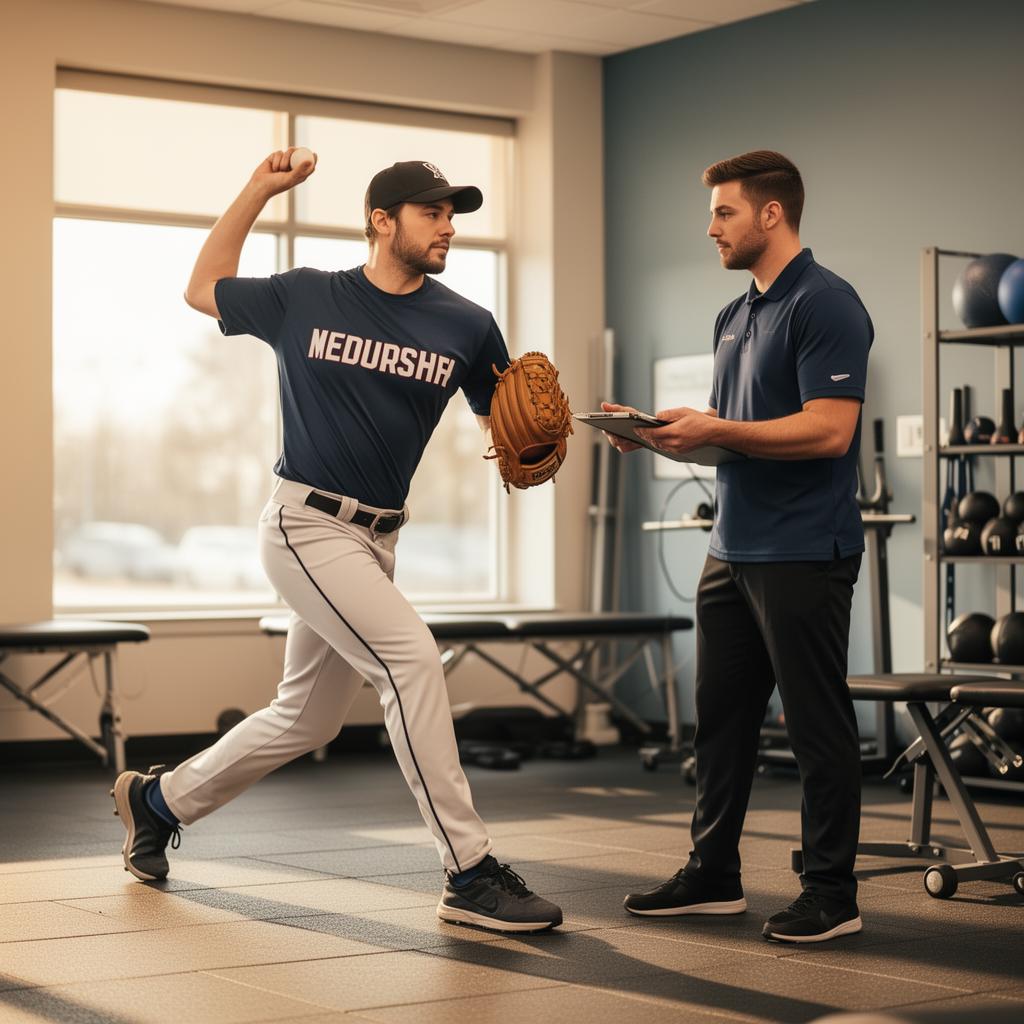
Our program educates athletes on foundational athletic movement and improves their movement precision, bridging the gap between rehabilitation, physical therapy, fitness, and performance training.
In order to reduce injury risk and optimize performance, the modern day athlete needs to develop an understanding of the movement science behind proper throwing, hitting, and fielding mechanics. They must learn how to sequence balance, timing, and transfer of force and power through the entire kinetic chain.
Work alongside physical therapists, who have advanced training in strength and conditioning, functional training movement, and kinesiology. With their experience, our physical therapists help athletes reach, and ultimately maximize, an athlete's athletic potential; ensuring they receive the unique attention that they need to develop perform.
Book Now!What to Expect from the Baseball & Softball Program
Incorporating cutting edge physical therapy techniques, movement education, and mechanics retraining, an individualized program is devised to correct underlying impairments. Ultimately, to return the athlete back to the field-and keep them on the field.
- Enhance Skill and Performance
- Prevent Injury and Re-Injury
- Recover from Existing Injury or Surgery
- Maximize Throwing Velocity and Bat Speed
- Meet Your Specific Goal
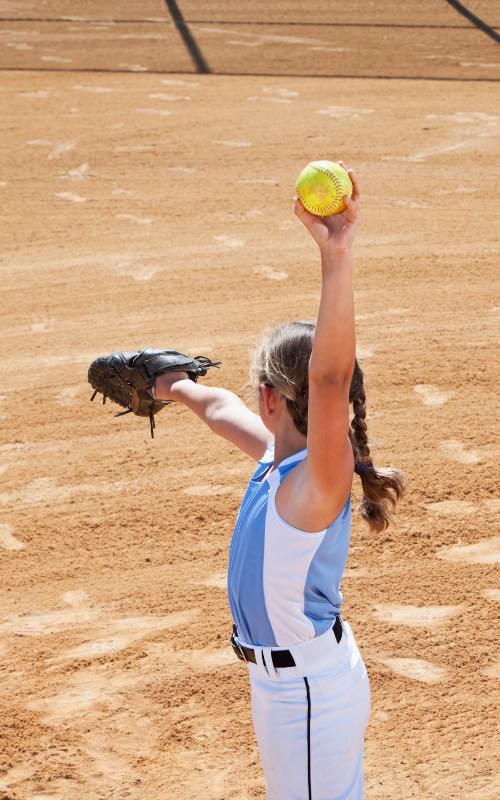
For throwing injury prevention, part of the program will specifically target four critical components:
- Arm Care
- Baseball & Softball Specific Strength and Conditioning
- Warm Up and Interval Throwing Management
- Workload Management
Common Baseball and Softball Injuries
Tendonitis
Tendonitis describes inflammation of a tendon, typically caused by overuse. The repetitive throwing motions that baseball & softball pitchers perform may irritate the tendons of the shoulder, elbow, forearm, and wrist, causing tendonitis.
Rotator Cuff Injuries & Anterior Shoulder Sprains and Strains
The bones of the shoulder are held in place by the rotator cuff, a group of muscles that cover the head of the humerus and enable arm lifting and rotation. The intense repetitive motion of baseball and softball pitching can create stress, strain, and consequential wear-and-tear on the rotator cuff. If the responsible stressful activity is not reduced or halted, a rotator cuff tear may occur, which will be accompanied by symptoms of weakness, pain, and reduced arm mobility. Sprains describe stretching or tearing injuries of the body's ligaments, while strains refer to injuries of the tendons or muscles – both are extremely common in throwing athletes. Pain will typically cause symptoms of pain in the top, side or front of the shoulder or arm. Repetitive high-impact shoulder usage and shoulder strains may result in chronic shoulder instability.
Medial Epicondylitis
Medial Epicondylitis describes inflammation of the forearm muscles and tendons that attach on the inside of the elbow, typically causing symptoms of pain and sensitivity. Typical mechanism of injury is due to repetitive strain of the elbow especially seen in pitchers and this pain can be quite severe. Medical evaluation should be done to rule out catastrophic ligamentous damage (UCL injury).
Ulnar Neuritis of the Elbow
Also called cubital tunnel syndrome, this common elbow condition occurs when the ulnar nerve in the arm is compressed or irritated. This can cause symptoms of numbness and tingling in the ring and little finger, as well as a weakened grip.
UCL Injury (Baseball Specific)
The two most feared words for any pitcher – Tommy John [Surgery]. The dreaded surgery with a 12-18 month avg time table to return to sport used to reconstruct a torn ulnar collateral ligament (UCL); the main stabilizing ligament found on the inside part of the elbow. The spike in incidence of this surgery particularly in high school players has sparked intense initiatives aimed at identifying cause and developing guidelines (ie pitch count) to reduce risk.
Back and Lower Body Injury
While the incidence of LBP isn't as high compared to upper extremity injury, the rotational nature of the sport involved in hitting and throwing predispose players to lower back, hip and core muscle injuries. These injuries arise when proper movement mechanics or sequencing of movement is incorrect, increasing stress/strain transferred to these regions.
Neck Pain (Softball Specific)
The high-impact throwing activity of softball is commonly associated with shoulder injuries; however, the underhand motions of softball throwing may also create strain on the connective tissue of the cervical region of the spine. Upper back and neck pain is common among softball players.
Ready to get started?
Book your appointment today.