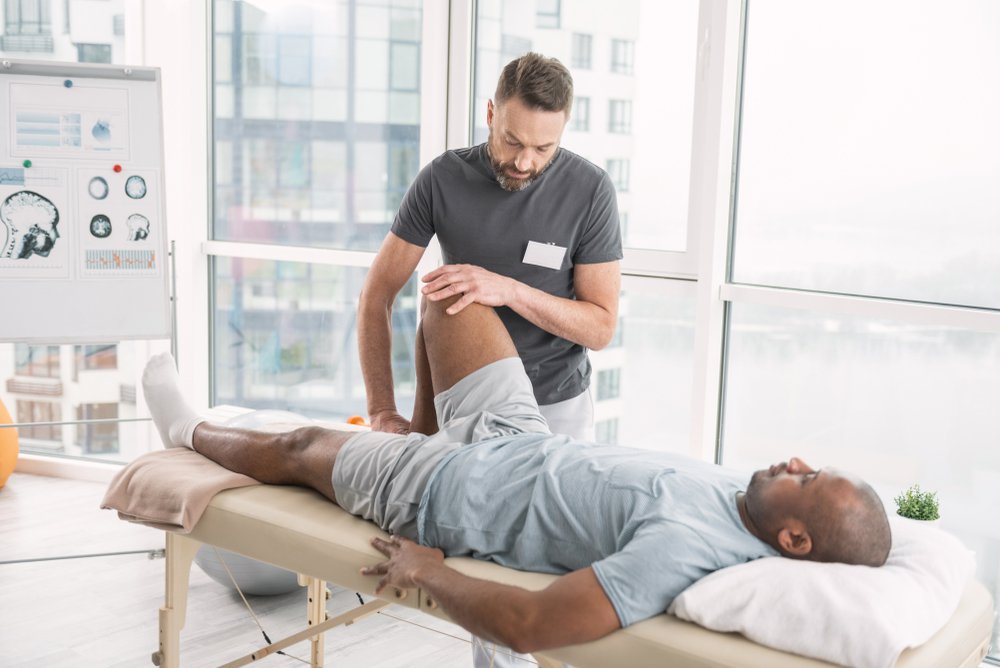
For many people, physical therapy ends the moment their pain goes away. At that point, it can feel like the job is done—you're moving better, symptoms have decreased, and daily activities feel normal again. But if your goal is to return to sport, exercise, or a high level of activity, this is only part of the process.
There is a critical gap between basic recovery and full performance. Skipping this phase is one of the biggest reasons people experience reinjury or feel like they "never got back to 100%."
Understanding the Recovery Continuum
Recovery isn't a single step—it's a progression that builds on itself. A complete recovery journey typically includes:
- Pain reduction and inflammation control
- Restoring mobility and range of motion
- Rebuilding foundational strength
- Advancing into performance-based training
Why Rehab Alone Isn't Enough
Traditional rehabilitation focuses on getting you out of pain and restoring basic function. Without performance training, you may experience:
- Decreased power and explosiveness
- Poor movement mechanics under stress
- Increased risk of reinjury
- Lack of confidence during higher-level activity
What Performance-Based Physical Therapy Includes
Our movement rehabilitation and return-to-sports programs are built around these phases:
Strength and Load Progression
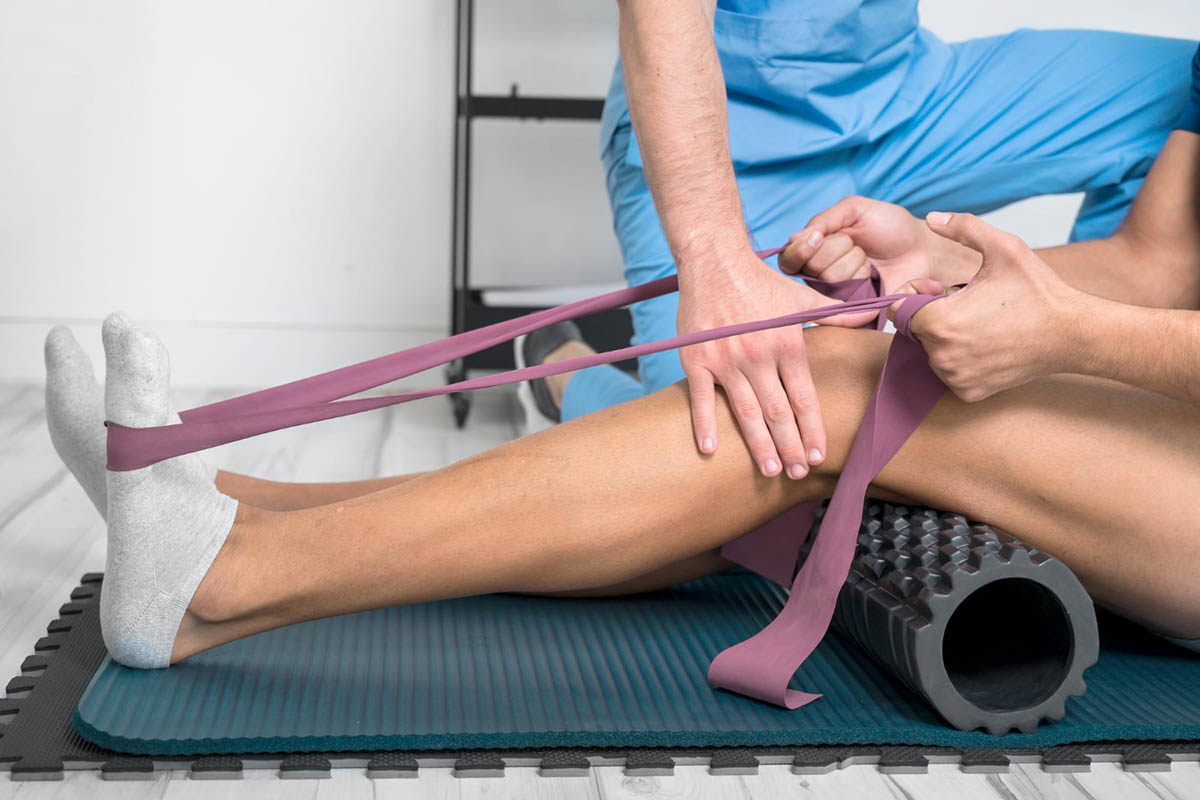
Strength is built progressively over time. This process helps:
- Build tissue resilience
- Improve joint stability
- Prepare your body for higher-impact activity
Plyometrics and Explosive Training
Sports often require quick, powerful movements—jumping, sprinting, and sudden changes in direction. Plyometric training focuses on:
- Force production and absorption
- Coordination and timing
- Safe landing mechanics
Sport-Specific Movement Training
- Runners: stride mechanics, cadence, and impact control
- Golfers: rotational mobility, core stability, and sequencing
- Court/field athletes: cutting, pivoting, and agility
Movement Quality and Mechanics
Performance-based PT addresses improper movement patterns, muscle imbalances, and compensation strategies. Improving mechanics not only reduces injury risk but also enhances overall performance.
Confidence and Mental Readiness
- Gradually exposing you to higher-level tasks
- Reinforcing successful movement patterns
- Providing measurable progress along the way
The Benefits of Bridging the Gap
- A reduced risk of reinjury
- Improved strength and athletic performance
- Better movement efficiency
- Greater confidence in your body
Who Can Benefit from Performance-Based PT?
- Athletes returning to competitive sports
- Runners preparing for races or increasing mileage
- Active adults resuming gym routines
- Individuals recovering from surgeries or major injuries
Don't Stop at "Feeling Better"
Feeling better is an important milestone—but it shouldn't be the finish line. Our team at James Fowler Physical Therapy focuses on helping you not just recover—but come back stronger, more resilient, and more confident than before. Schedule a performance-based evaluation to see what's possible.
Ready to take the next step?
Book an Appointment